people
lab members

Dr. David Wolk is Professor of Neurology, Chief of the Division of Cognitive Neurology, Director of the National Institute of Aging funded Penn Alzheimer’s Disease Research Center, Co-Director of the Penn Institute on Aging, and Co-Director of the Penn Memory Center.
Dr. Wolk’s primary clinical interest has been in the diagnosis and care of individuals with a variety of neurodegenerative conditions. His research has focused on the cognitive neuroscience of memory decline associated with aging and Alzheimer’s Disease using techniques including behavioral testing, structural and functional MRI, and FDG and molecular PET imaging. Much of this work is also directed at examining biomarkers, including behavioral and neuroimaging, that differentiate healthy aging from the earliest transition to AD and their potential role in understanding disease mechanisms and incorporation into treatment trials. Another related thread of his work has been to better understand, classify and predict sources of heterogeneity in AD. Dr. Wolk has had sustained NIH support since 2003 and has been the principal or co-investigator on numerous local, national and international studies, including therapeutic trials.
Dr. Wolk completed his medical training at Johns Hopkins University, a Neurology residency at the University of Pennsylvania, and clinical Fellowship training in Cognitive and Behavioral Neurology at Brigham and Women’s Hospital/Harvard Medical School; where he also completed a post-doctoral research fellowship studying memory in Alzheimer’s Disease. Amongst a number of honors, he is the recipient of the American Academy of Neurology’s Norman Geschwind Prize in Behavioral Neurology.

My scientific interests lie at the intersection of computer science, biomedical imaging, and neurodegenerative disease research. I received my Ph.D. in Computer Science in 2003 from the University of North Carolina, where I researched statistical shape analysis and its applications to neuroimaging under the direction of Stephen M. Pizer, Ph.D. I joined the PICSL lab at the University of Pennsylvania Department of Radiology as a postdoc the same year and joined the faculty in 2006. Throughout my career, my research has focused on computational techniques focused on specific, complex anatomical structures and on using postmortem imaging to interrogate these structures in detail. The main thrust of my recent work has been in neurodegenerative disease applications. Our team has developed specialized image analysis techniques and rich detailed probabilistic atlases for the medial temporal lobe, a brain region central to episodic memory and singularly involved in early stages of Alzheimer’s disease. These methods have contributed to biomarkers used to study neurodegenerative disease heterogeneity, track disease progression and response to treatment. My group is also heavily invested into open-source software development, including our flagship tool ITK-SNAP, which has over 8,000 monthly downloads, a family of associated tools for image processing (c3d) and deformable registration (greedy), tools for medial temporal lobe morphometry (ASHS & CRASHS), among others. I co-direct the Neuroimaging Core of the Penn Alzheimer’s Disease Research Center (Penn ADRC), with a specific focus on postmortem imaging and quantitative methods.
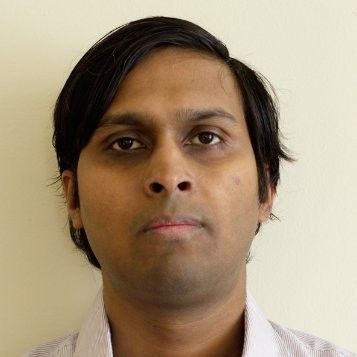
Sandhitsu (Sandy) Das trained as an electrical engineer at the Indian Institute of Technology, Kanpur before obtaining his Ph.D. in Bioengineering from the University of Pennsylvania. Since then, he has been part of PICSL and Patchlab and joined the Neurology department as Research Faculty. His work broadly focuses on studying pathology and normative brain function at a macroscopic level through the use of non-invasive imaging. His current work emphasizes novel use of multimodality techniques, including in-vivo and ex-vivo imaging, to study heterogeneity in Alzheimer’s disease and related disorders. In addition, Sandy is also interested in developing high-resolution imaging technologies to explore brain structure and function utilizing 7 tesla MRI.

Chris completed his MD/PhD at the University of Kentucky before moving to Penn for Neurology residency, where he has stayed and is an Assistant Professor of Neurology. His research focuses on using multimodal biomarkers to understand heterogeneity in the biological and clinical trajectories of Alzheimer’s Disease and Related Dementias (ADRD). His work integrates advanced neuroimaging — including diffusion MRI and tau PET — with blood-based biomarkers and cognitive assessment to study how AD pathology spreads and accumulates in the brain and contributes to clinical outcomes. He developed Tau-MaX, a novel measure of global tau burden, and has created individualized models for predicting regional tau deposition using structural connectomes. Clinically, Dr. Brown sees patients at the Penn Memory Center with a focus on amyloid-targeting therapies (ATTs) for Alzheimer’s disease. He co-leads the Alzheimer’s Therapeutic Monitoring (ATM) study, which follows patients receiving ATTs and aims to develop personalized tools for monitoring treatment response.

Pulkit Khandelwal
I’m a postdoctoral researcher in the department of Radiology at the University of Pennsylvania under the supervision of Prof. Paul Yushkevich, where I also obtained my PhD. Previously, I completed MSc. in computer science in the Shape Analysis Group at McGill University where I was supervised by Prof. Kaleem Siddiqi and Prof. Louis Collins at the Montreal Neurological Institute. My primary research focus is to develop computational methods to analyze ultra-high resolution postmortem human brain at 7 tesla MRI and link morphometry with histopathology in Alzheimer’s and related dementias.

Yue Li
I am a postdoctoral researcher working at imaging biomarker design in multi-modality data for neurodegenerative disease. I am very excited about the neuroimaging I am currently studying. I have learned a lot at PATCH Lab, from the pathology of neurological diseases to image appearances, and from image analysis to coding. Before joining PATCH Lab, I received my PhD in Computational Mathematics and bachelor’s degree in mathematics and applied mathematics from Sun Yat-sen University, Guangzhou, China.
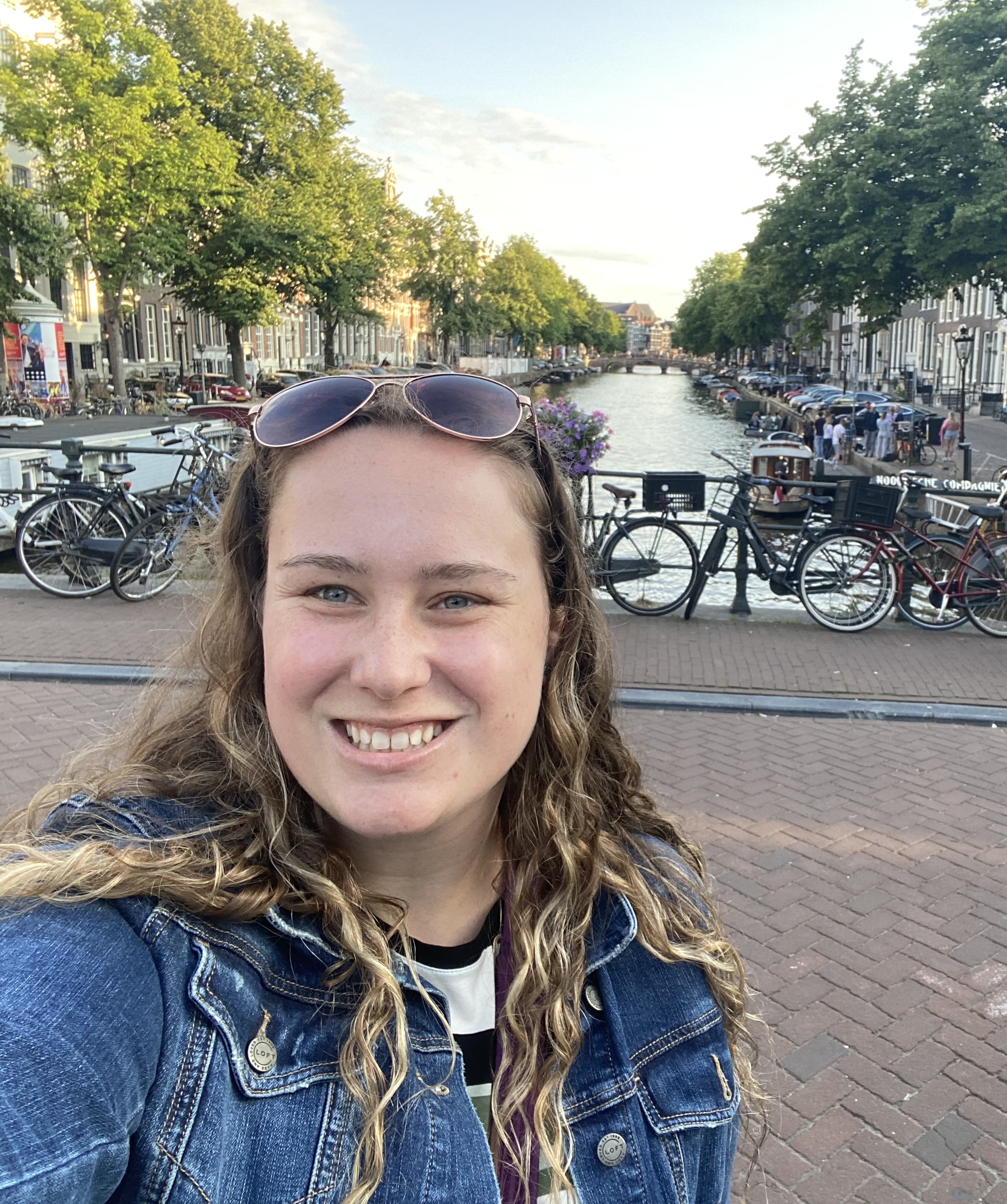
Amanda Denning
I am a Neuroscience PhD student advised by Drs. Paul Yushkevich and David Wolk. My work uses high resolution postmortem imaging and serial histopathology to analyze neuroanatomy and 3-D distributions of neurodegeneration and neuropathology in Alzheimer’s Disease and related dementias. In my free time, I enjoying baking for lab meetings and traveling, and am an avid Philly sports fan.

Emma Fischer
I am a Neuroscience PhD student in the PATCH Lab mentored by Drs. David Wolk and Sandhitsu Das. My work focuses on using machine learning methods to identify unique patterns of typical cognitive aging, and using neuroimaging and social environmental data to assess correlates of these aging patterns. Outside the lab, I can be found cooking and baking up a storm (almost always for lab meeting) or traveling with my friends and family!
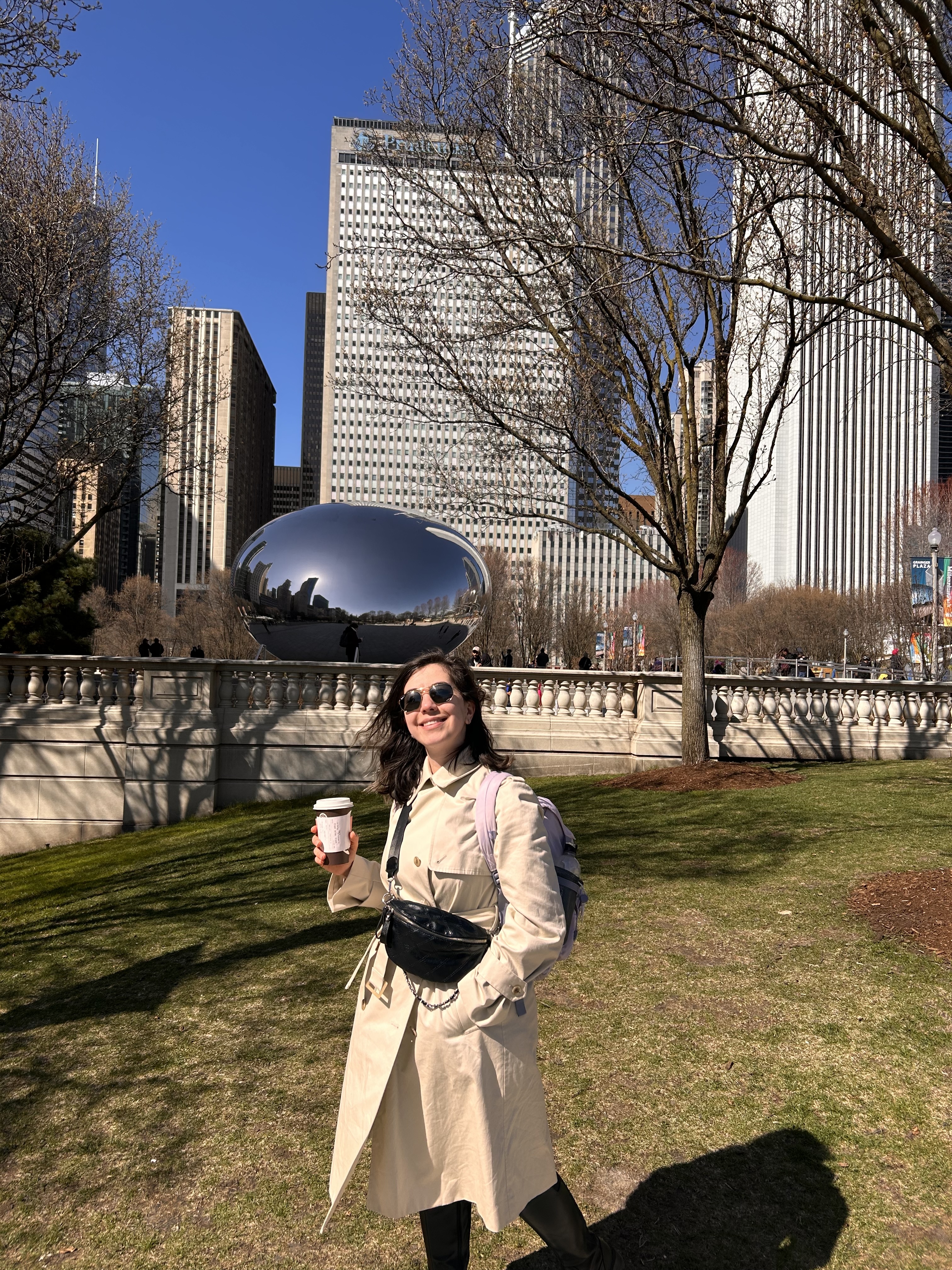
I am a Bioengineering PhD student under the supervision of Dr. Paul Yushkevich in the PATCH Lab, where my research focuses on computational neuropathology and neuroimaging. My work integrates postmortem histopathology with MRI to develop automated pipelines for quantifying brain tissue microstructure, with a particular emphasis on white matter integrity and myelin in the context of Alzheimer’s disease and related dementias. By bridging digital pathology and multi-modal neuroimaging, my research aims to establish quantitative links between cellular-level tissue properties and macroscopic imaging biomarkers, ultimately working toward tools that can infer pathology-level information from clinical brain scans. My methodological toolkit spans deep learning, image segmentation and registration, and computational image analysis across scales, from whole-slide histology images to high-field and clinical MRI. Outside of work, I enjoy doing exercises, biking, hiking, and traveling.

I am a Bioengineering PhD student working with Dr. David Wolk and Dr. Sandhitsu Das. My research focuses on disentangling the heterogeneity of Alzheimer’s disease (AD) using multimodal imaging biomarkers, machine learning, and statistical modeling. In particular, my work aims to identify co-pathologies (such as LATE) and resilience associated with AD patients through clinically available biomarkers. I am motivated by addressing complex clinical questions with innovative approaches to advance disease-modifying therapeutics and improve clinical trial enrichment. Before my PhD, I worked at Yale University, where I assisted in PET imaging tracer development in animal models, building on my undergrad background in chemistry and molecular research.
Outside of thinking about brain, I enjoy gentle music, playing the guzheng, perfumery, Chinese calligraphy, yoga, and traveling (especially to culturally rich places), as well as thoughtful conversations that often begin with science and end somewhere around life and meaning. I also enjoy slow weekend brunches with friends!
I am a Bioengineering PhD student co-advised by Drs. David Wolk and Sandhitsu Das. My research focuses on leveraging multimodal neuroimaging to characterize medial temporal lobe changes in Alzheimer’s disease and related co-pathologies, particularly limbic-predominant age-related TDP-43 encephalopathy (LATE). Using structural MRI, I aim to improve early detection and develop stratification strategies for clinical trials; through diffusion MRI and histology, I aim to gain deeper insight into the biological processes underlying neurodegeneration. More broadly, I am interested in bridging methodological innovation with clinical relevance by integrating imaging and biomarker data to refine disease classification, enhance prognostic precision, and support the development of targeted therapeutic interventions. Prior to joining the lab, I worked at the Memory and Aging Center at UCSF, where I assisted with the processing and analysis of amyloid and tau PET imaging for multi-site studies, including LEADS. Outside the lab, I enjoy spending time in nature, traveling, working out, and exploring new cafes!

I am a postdoctoral researcher working with Drs. David Wolk and John Detre, where I use multi-modal MRI data — with a focus on Arterial Spin Labeling (ASL) — to identify biomarkers of Alzheimer’s Disease and related dementias. My research aims to advance early detection and improve our understanding of neurodegenerative disease progression through non-invasive neuroimaging techniques. I am currently supported by an NIH T32 grant, “Translational Neuroimaging in Alzheimer Disease and Related Dementia,” which enables me to bridge cutting-edge imaging methods with clinical applications. Outside the lab, I’m passionate about baking, exploring Philadelphia’s restaurant scene, and lifting weights.

I’m a Bioengineering PhD candidate advised by Paul Yushkevich. My research focuses on developing computational methods for multimodal neuroimaging analysis in Alzheimer’s Disease and Related Disorders. I primarily work with postmortem whole hemisphere 7T MRI and corresponding histology to conduct structure-pathology correlation studies. Outside of work I enjoy reading, urban and nature hikes, and photographing my neighborhood streets!

Gaylord Holder

Lisa Levorse
I joined Paul Yushkevich’s lab as a research specialist in 2023 and love the collaborative nature of the lab and supporting the ADRD research. I earned my BS and MS in animal science at Rutgers University researching the mechanisms of Growth Hormone (GH) and GH receptor mRNA regulation in the domestic fowl. Prior to this position, I worked for UPenn as part of the Pennsylvania Animal Diagnostic Laboratory System. There I was part of Dr. Eman Anis’ molecular diagnostics team performing qPCR daily for highly pathogenic avian influenza in addition to other avian and mammalian diseases. Outside of lab I enjoy spending time with my family! Also gardening, hiking, backpacking, reading fiction/non-fiction, Terraforming Mars (board game), and playing with my dog.

Ranjit Ittyerah
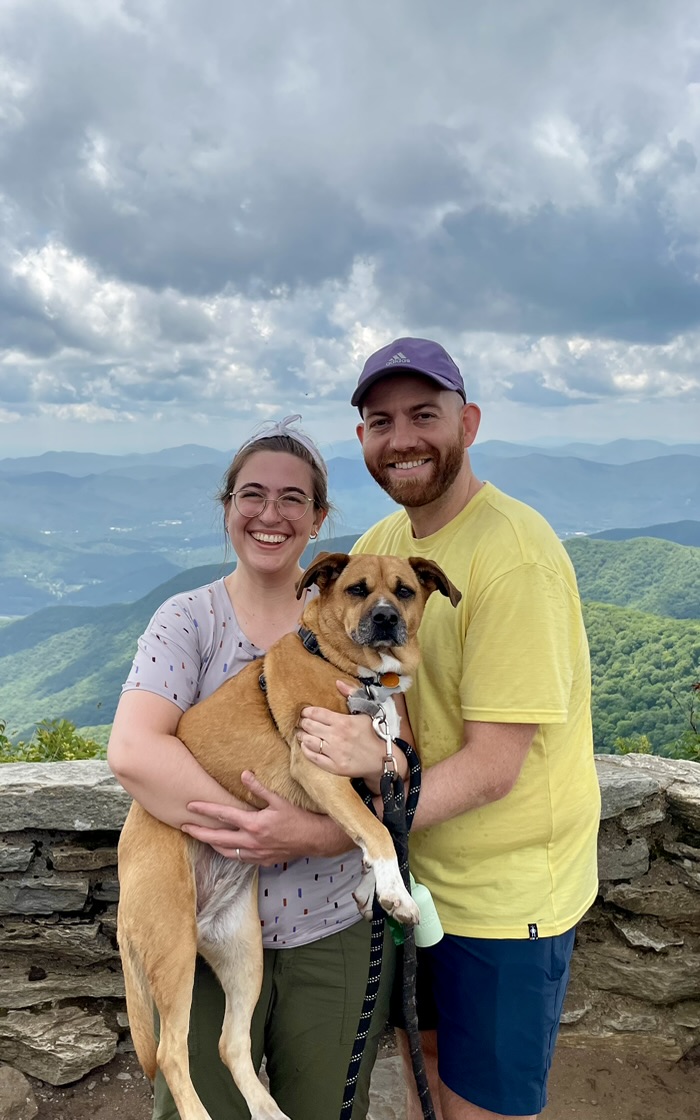
Emily McGrew joined PATCH Lab in 2022 as a Research Specialist. She graduated from Earlham College with a bachelor’s degree in biology, then spent five years as a nonprofit administrator before attending the University of Pennsylvania’s data science coding bootcamp. Emily shepherds new data through the established data processing pipelines for the lab, automates manual processing steps, and provides data subsets and additional data processing support to researchers. Her favorite function in the python pandas library is “merge_asof”.